AI: The Pros and Cons of Using It Wisely
May 21, 2026 · By Samir Agrawal
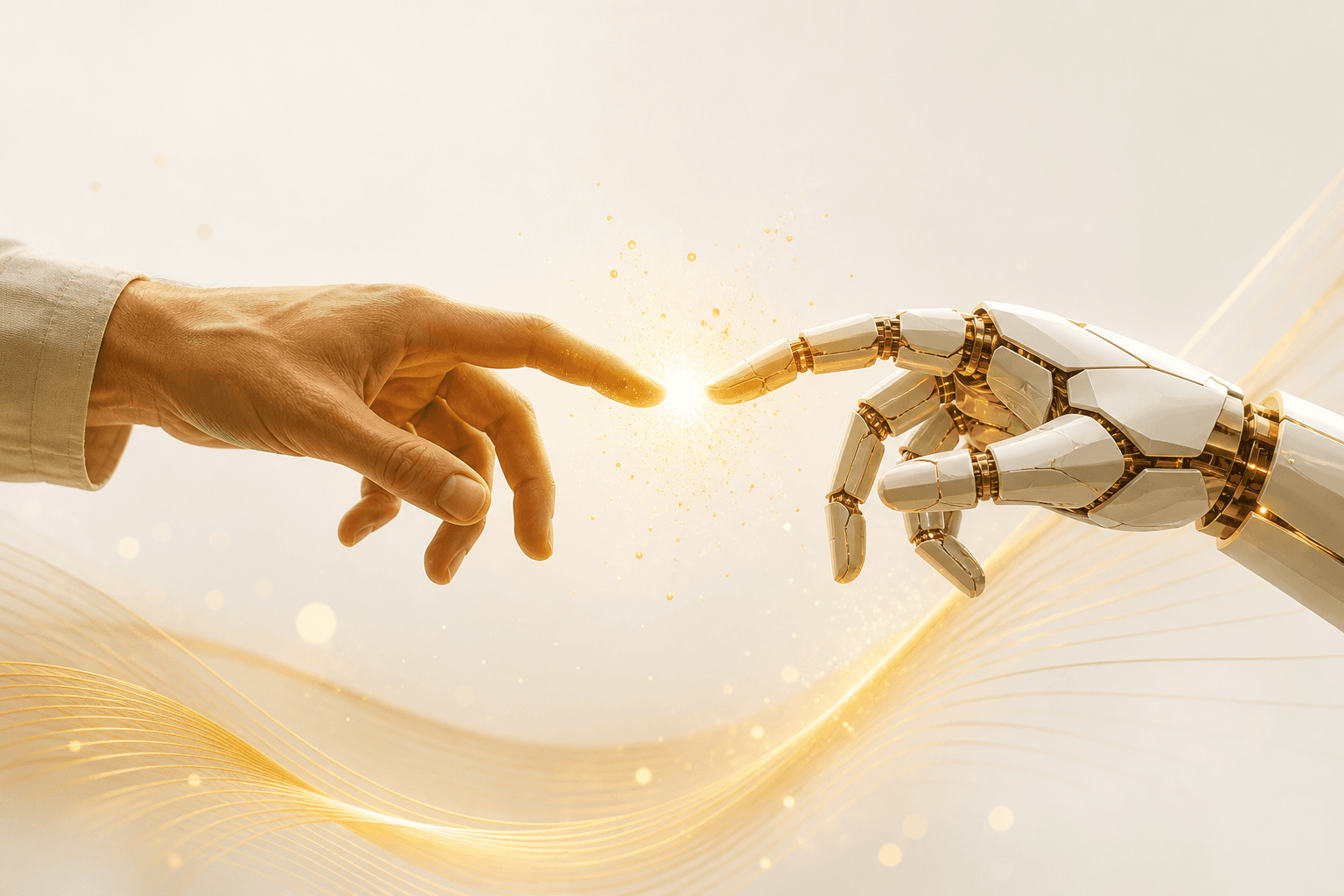
Artificial Intelligence is no longer a futuristic concept confined to science fiction — it's here, embedded in the tools we use every day. From chatbots handling customer inquiries to algorithms diagnosing medical conditions, AI is reshaping how we live, work, and make decisions. But as with any transformative technology, AI carries both tremendous potential and real risks. The difference lies not in the technology itself, but in how we choose to wield it.
As someone who has spent over 15 years helping businesses adopt the right technologies, I've seen firsthand how AI can be a game-changer — and how it can backfire when implemented without foresight. Let's take an honest, balanced look at both sides.
The Pros — When AI Is Used Wisely
Efficiency & Automation
One of AI's greatest strengths is its ability to handle repetitive, time-consuming tasks at scale. Data entry, invoice processing, scheduling, report generation — these are all areas where AI excels, freeing your team to focus on creative problem-solving, relationship building, and strategic thinking. When your people aren't buried in busywork, they do their best work.
Data-Driven Decision Making
Humans are brilliant, but we have limits when it comes to processing massive datasets. AI can analyze millions of data points in seconds, spotting patterns, trends, and correlations that would take a human team weeks to uncover. For businesses, this means smarter forecasting, more targeted marketing, and better risk management — all grounded in evidence rather than gut feeling.
Accessibility & Inclusion
AI-powered tools are breaking down barriers that once excluded millions of people. Real-time language translation, voice-to-text for the hearing impaired, screen readers enhanced by natural language processing — these innovations are making technology and information accessible to everyone, regardless of ability or language. That's not just good business; it's the right thing to do.
Cost Savings
By automating routine processes and improving operational efficiency, AI can significantly reduce costs for businesses of all sizes. Predictive maintenance in manufacturing, automated fraud detection in finance, and intelligent routing in logistics are just a few examples where AI saves real money while improving outcomes.
Innovation
AI is opening doors to products, services, and experiences that simply weren't possible before. Personalized medicine, autonomous vehicles, generative design tools, intelligent tutoring systems — the list grows every day. For forward-thinking businesses, AI isn't just an efficiency play; it's a catalyst for entirely new value creation.
The Cons — When AI Is Misused or Misunderstood
Job Displacement
This is the concern that dominates headlines, and it's legitimate. As AI automates more tasks, certain roles — particularly those involving routine, predictable work — are at risk. The challenge isn't that jobs are changing (they always have), but that too many organizations are adopting AI without investing in reskilling their workforce. Displacement without a transition plan is irresponsible.
Bias & Fairness
AI systems learn from data, and if that data reflects historical biases — racial, gender, socioeconomic — the AI will perpetuate and even amplify those biases. We've already seen this in hiring algorithms that penalize women, lending models that discriminate against minorities, and facial recognition systems that fail on darker skin tones. The technology is only as fair as the data and intentions behind it.
Privacy Concerns
AI thrives on data, and the appetite for more data can lead organizations down a dangerous path. Excessive data collection, opaque tracking, and surveillance-like monitoring erode consumer trust and can violate privacy regulations. When personalization crosses the line into intrusion, the backlash can be swift and severe.
Over-Reliance
There's a subtle but real danger in trusting AI too much. When teams stop questioning AI-generated recommendations, critical thinking erodes. AI should augment human judgment, not replace it. The most effective organizations use AI as a powerful input, not the final decision-maker.
Security Risks
The same AI capabilities that protect businesses can also be weaponized. AI-powered phishing attacks are more convincing, deepfakes can undermine trust, and automated hacking tools can probe systems at unprecedented speed. As AI becomes more powerful, so do the threats — making cybersecurity more important than ever.
The Key: Wise and Responsible Use
So where does this leave us? The answer isn't to fear AI or to embrace it blindly — it's to use it wisely. Here's what that looks like in practice:
- Maintain human oversight. AI should support decisions, not make them in isolation. Keep humans in the loop, especially for high-stakes outcomes involving people's livelihoods, health, or rights.
- Invest in training and reskilling. If you're adopting AI, invest equally in your people. Help them develop the skills to work alongside AI — not compete with it. The organizations that get this right will attract and retain the best talent.
- Demand transparency and ethics. Know how your AI systems work, what data they use, and what biases they might carry. Build or choose AI tools that are explainable, auditable, and aligned with your values.
- Start with the problem, not the technology. Don't adopt AI because it's trendy. Adopt it because it solves a real problem for your customers, your team, or your operations. Purpose-driven adoption always outperforms hype-driven adoption.
AI is not inherently good or bad — it's a tool, and like every tool before it, its impact depends on the hands that wield it and the intentions behind its use. The question we should be asking isn't whether to use AI, but how to use it wisely, ethically, and in a way that lifts people up rather than leaving them behind.
At Agrasen Technologies, we believe the best technology decisions are grounded in strategy, integrity, and a genuine commitment to the people they serve. AI is no exception.